
Crohn’s
Article
Inflammatory Bowel Disease: The Role of Hyperbaric Oxygen Therapy
Explore hyperbaric oxygen therapy for inflammatory bowel disease, including mechanisms, ulcerative colitis and Crohn’s disease evidence, safety and care.
Articles and case studies about Hyperbaric Oxygen Therapy (HBOT) and its application.
Explore hyperbaric oxygen therapy for inflammatory bowel disease, including mechanisms, ulcerative colitis and Crohn’s disease evidence, safety and care.

Hyperbaric Oxygen Therapy (HBOT) in Traumatic Brain Injury: personal and clinical insight, evidence, dosing ranges, and a patient‑centred pathway to recovery.

Learn how hyperbaric oxygen therapy may support haemorrhagic cystitis care after radiotherapy or chemotherapy, including evidence, safety, and pathways.

Explore how hyperbaric oxygen therapy may support high-performance athlete recovery and selected sports injuries, including ligament, tendon, muscle, bone marrow oedema, and post-surgical rehabilitation evidence.
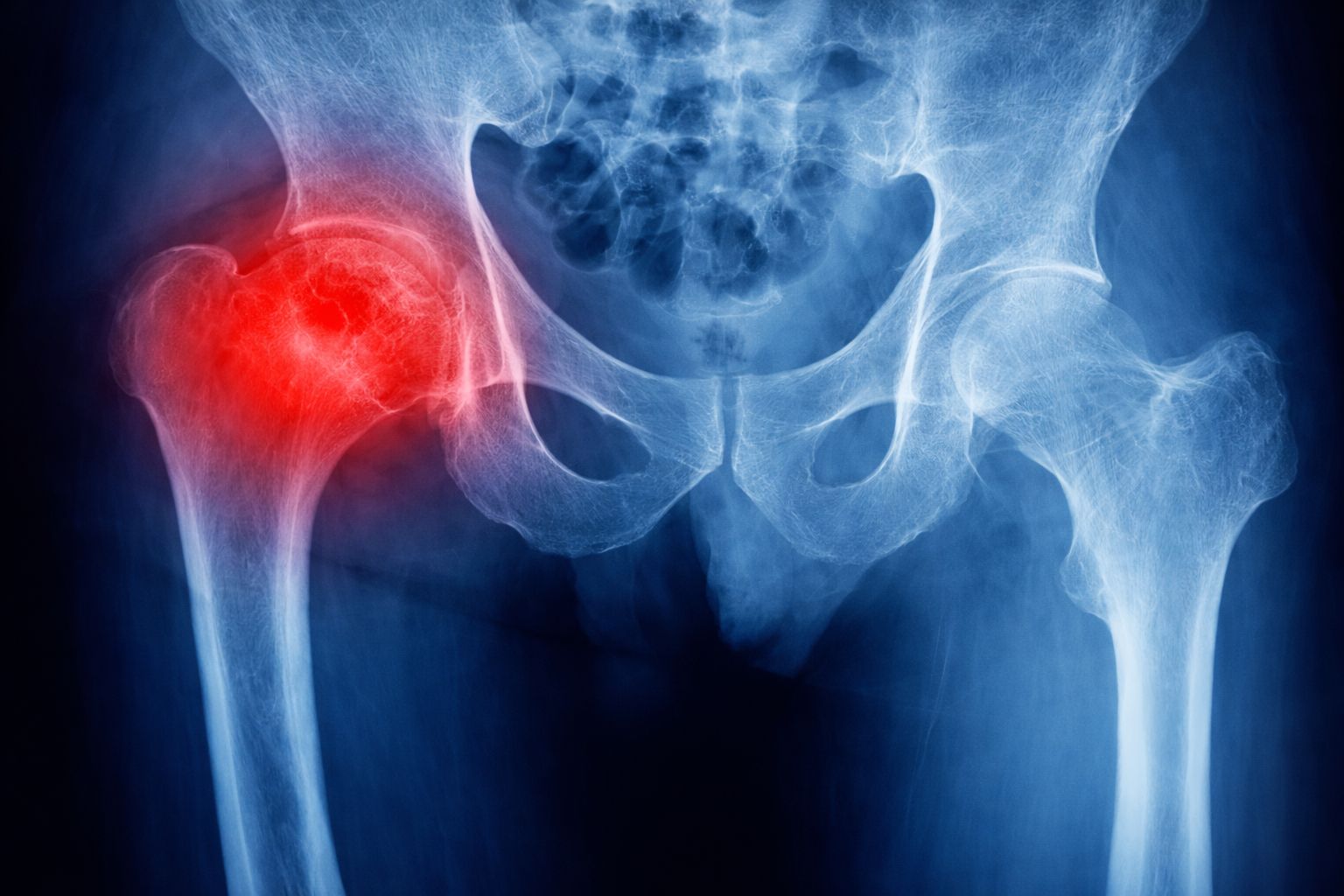
Explore the clinical evidence on hyperbaric oxygen therapy for avascular necrosis, including causes, staging, treatment options, mechanisms, outcomes, and its potential role in early osteonecrosis.
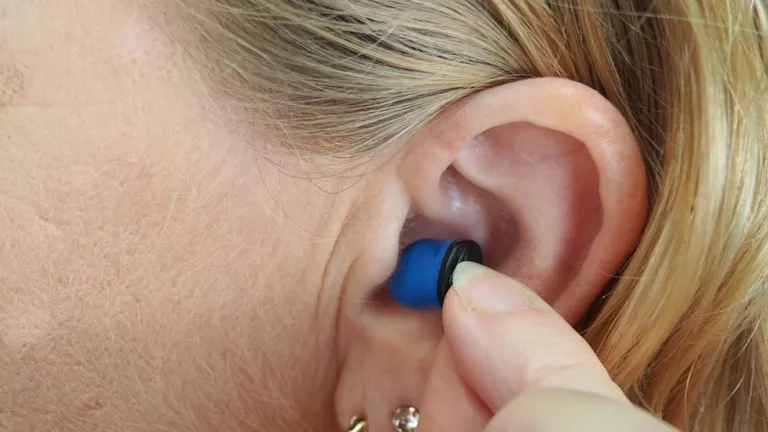
Sudden sensorineural hearing loss should be treated as urgent. Learn where HBOT fits with steroid-based care, timing windows, evidence, safety and patient expectations.

HBOT is approved by FDA and UHMS and it is recognised for treating grafts, burns, infections, radiation injuries, and tissue necrosis. HBOT enhances post-surgical recovery through improved oxygenation, reduced swelling and inflammation, and increased collagen production, benefiting even those without complications.
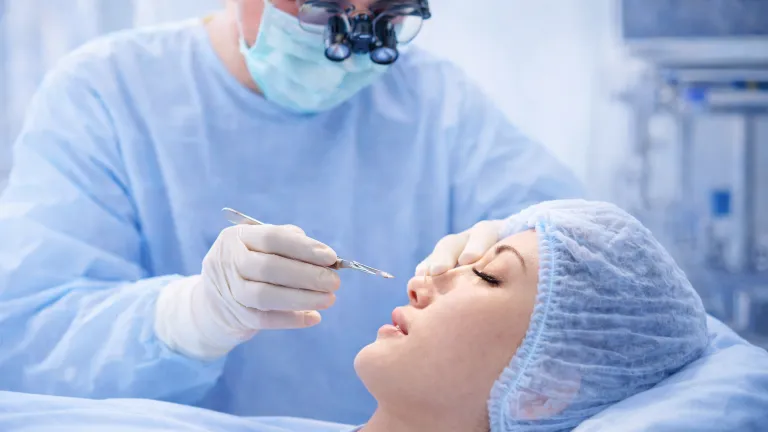
Explore how Hyperbaric Oxygen Therapy (HBOT) supports recovery and outcomes in aesthetic and plastic surgery, including evidence on wound healing, bruising, pain, and complications, plus safety considerations and current research.
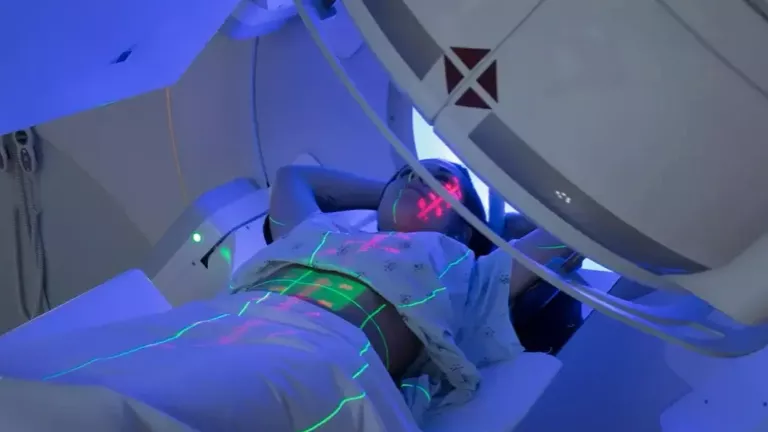
A clinically balanced review of hyperbaric oxygen therapy for late radiation tissue injury, including radiation cystitis, proctitis, vaginal injury after pelvic radiotherapy, jaw osteoradionecrosis, other soft-tissue injury and cerebral radiation necrosis.

Explore how hyperbaric oxygen therapy may support healthy ageing through angiogenesis, mitochondrial function, cognition, sleep and metabolic health.

Learn how hyperbaric oxygen therapy may support tissue recovery after filler-induced vascular occlusion, including timing, hyaluronidase and safety.
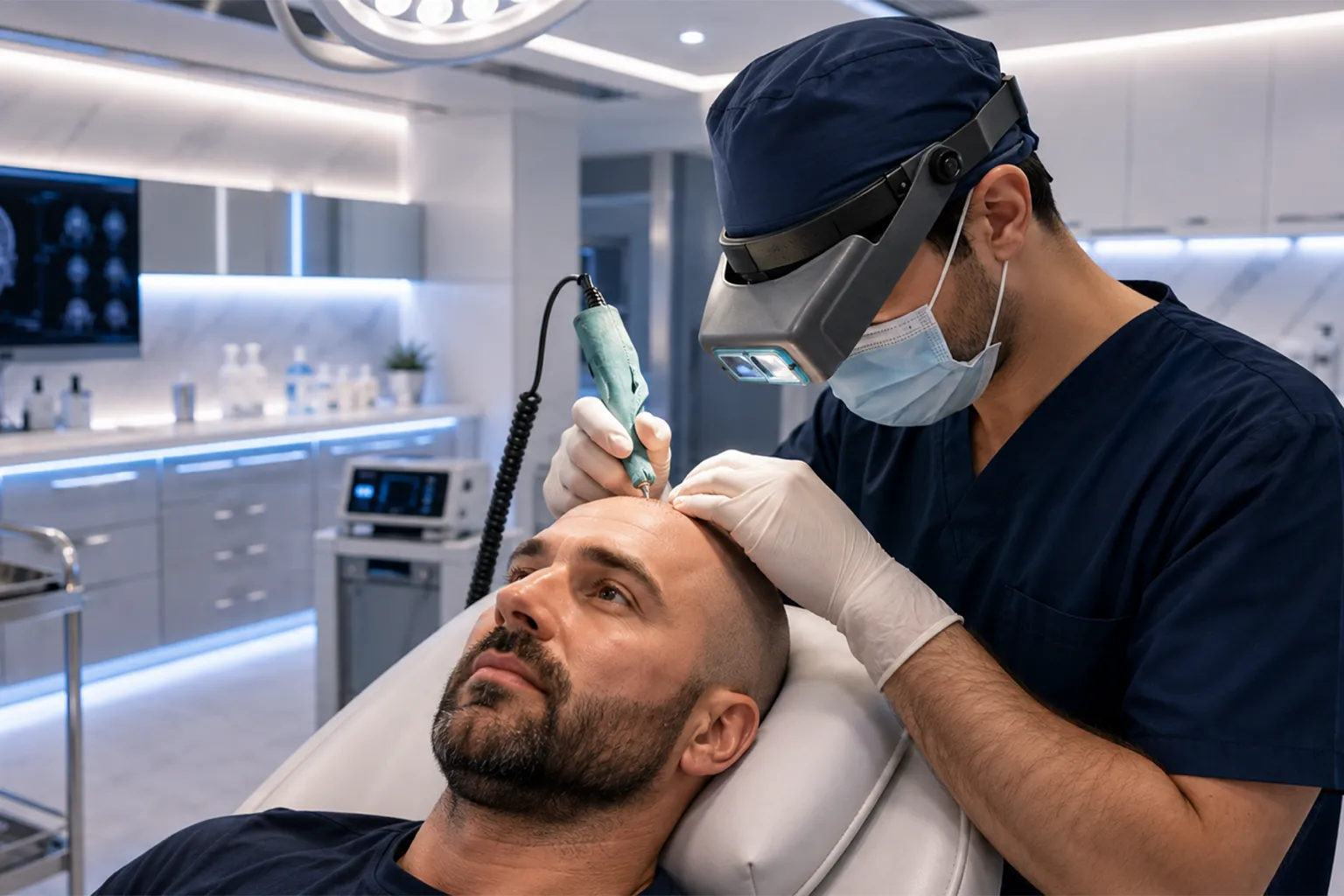
Explore how hyperbaric oxygen therapy after hair transplantation may support early recovery, including shedding, graft survival, protocols and safety.

Learn how hyperbaric oxygen therapy may support female fertility care, including thin endometrium, poor ovarian response, IVF timing, and safety.

Learn how hyperbaric oxygen therapy may support male infertility care, including sperm quality, oxidative stress, DNA fragmentation, varicocele, and IVF outcomes.

Explore the current evidence on hyperbaric oxygen therapy in glioblastoma, including its investigational role alongside radiotherapy, chemoradiotherapy, tumour oxygenation, safety, and clinical limitations.

Explore the latest medical evidence on Hyperbaric Oxygen Therapy (HBOT) for Long COVID, including benefits, risks, treatment protocols, and what current research shows.

Hyperbaric oxygen therapy is a legitimate medical treatment whose safety and effectiveness depend on medical supervision, appropriate equipment, and clear regulation as unregulated wellness and home use expands.

NUMA uses Monoplace hyperbaric chambers, which are designed to accommodate only one patient at a time. The hyperbaric chambers are compressed with air, and oxygen is given through facial masks.

Experience Hyperbaric Oxygen Therapy (HBOT) at NUMA, overseen by a specialist medical doctor and delivered to the highest standards.
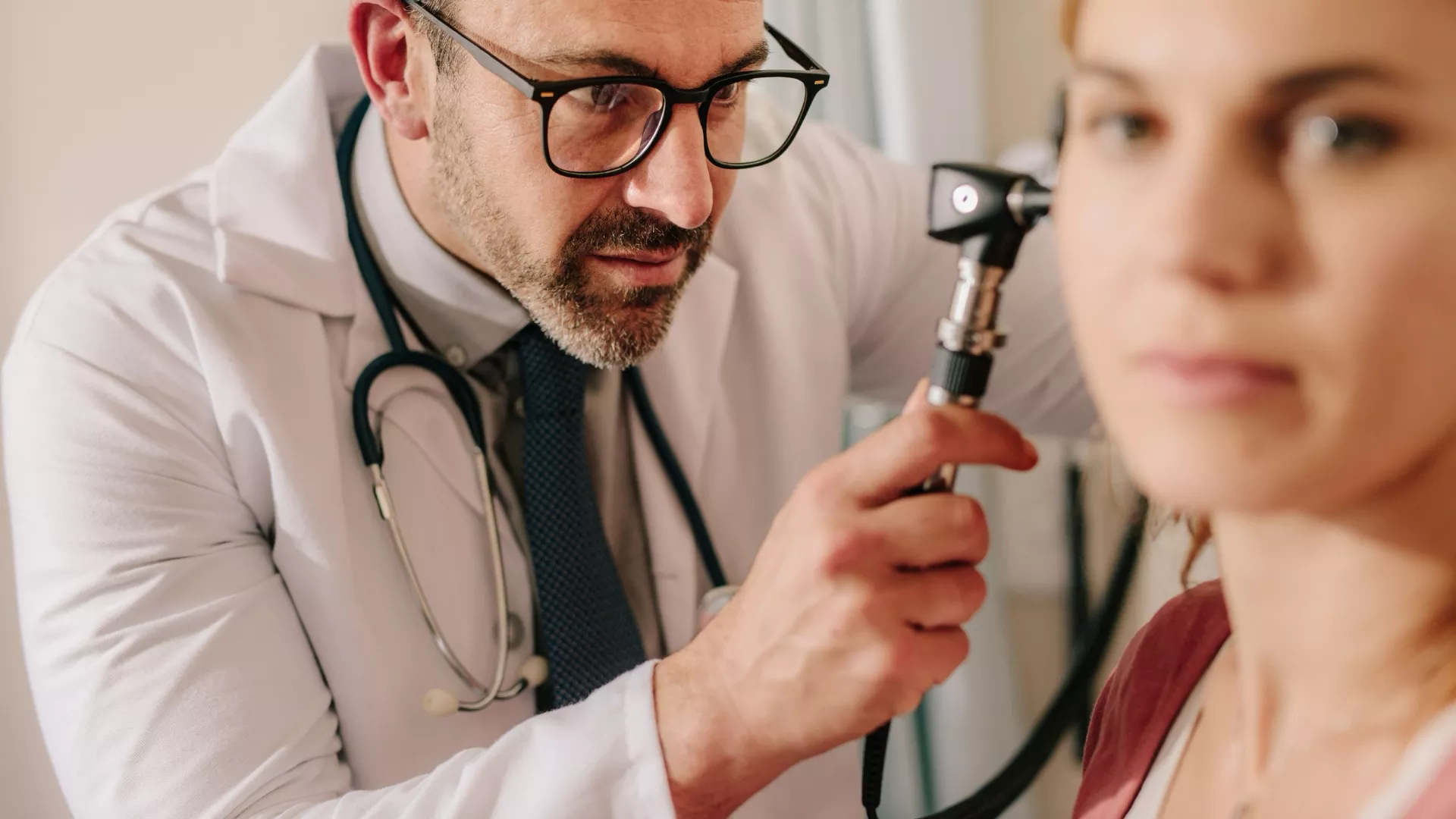
Timely diagnosis and management, the effective use of HBOT in combination with standard ENT therapies are crucial to improve the possibility of regaining hearing.

Breast cancer, a widely prevalent and devastating disease impacting millions of women globally, frequently necessitates mastectomy as a pivotal treatment approach. Mastectomy serves as a crucial surgical intervention that is essential in eliminating the disease and mitigating the risk of recurrence, ultimately enhancing patient survival outcomes.