
Hyperbaric Oxygen Therapy for Vascular Occlusion

HBOT supports tissue recovery after filler-induced vascular occlusion by increasing oxygen delivery to tissue at risk of damage. At NUMA, treatment is medically assessed, prescribed and used alongside urgent reversal treatment.

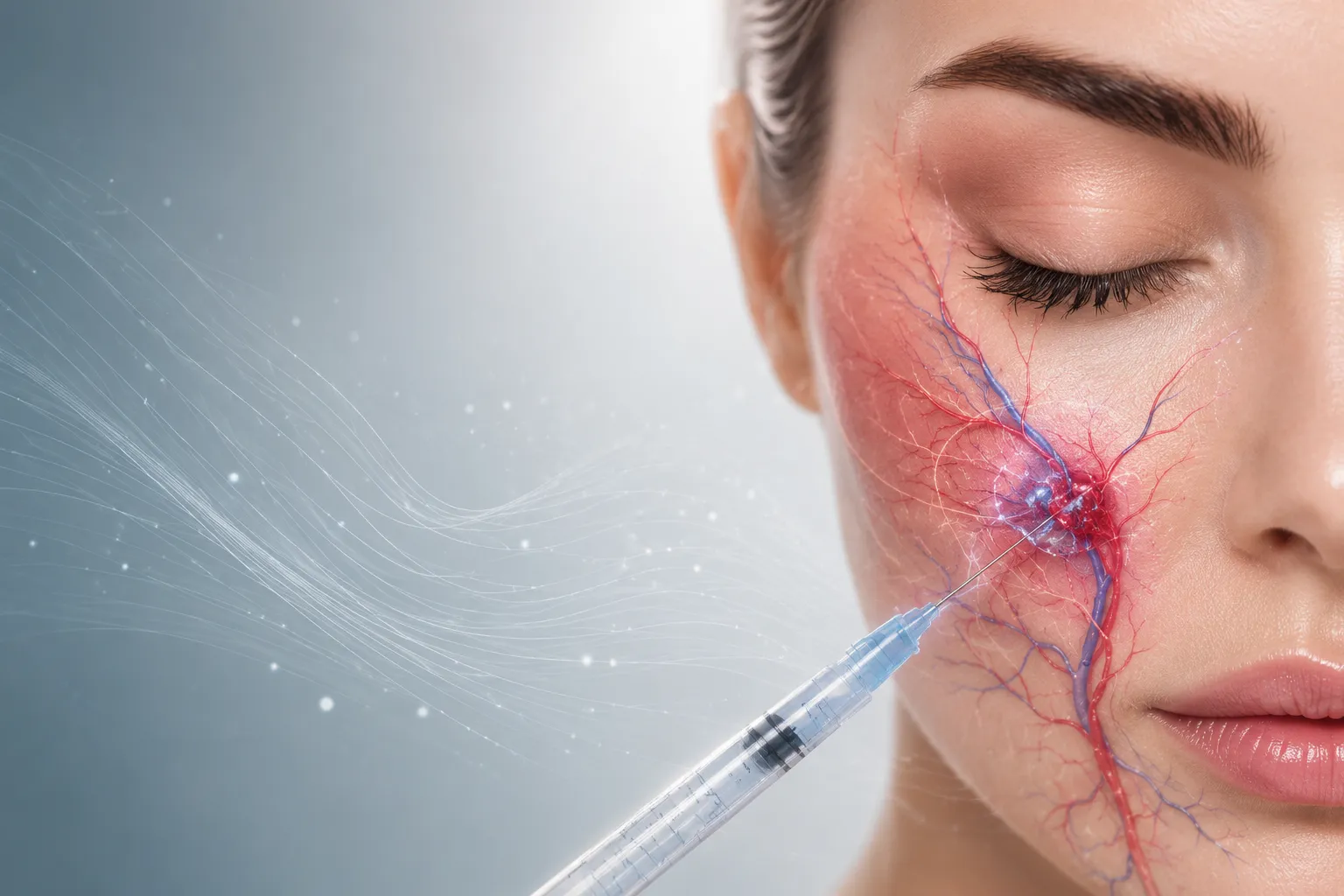
Illustration of dermal filler injection showing underlying facial vasculature at risk of vascular occlusion, with arteries and veins highlighted in red and blue near the cheek.

What is Vascular Occlusion?

Vascular occlusion occurs when blood flow is partially or completely blocked after filler injection, potentially causing tissue ischaemia and necrosis. Severity depends on the vessel involved, duration of reduced flow and collateral circulation. Treatment aims to preserve tissue at risk of damage but still viable before irreversible injury occurs.

HBOT in Vascular Occlusion: What the Evidence Shows

Clinical evidence in filler-induced vascular occlusion

A narrative review supports HBOT as an adjunct to standard treatment for filler-induced vascular occlusion, with potential benefits through improved tissue oxygenation, modulation of oxidative stress, angiogenesis and hypoxia-response pathways.


Madero et al., 2024

Increased oxygen delivery

HBOT markedly increases dissolved plasma oxygen, increasing diffusion from functioning vessels into hypoxic tissue.

Thom, 2011

Reduced oedema and microvascular stress

HBOT can reduce tissue oedema while maintaining high oxygen availability, supporting compromised microcirculation.

Francis & Baynosa, 2017

Support for tissue survival

Broader evidence from compromised hypoxic soft tissue supports HBOT as a tissue-salvage therapy, including improved graft and flap survival in comparative studies.

Carter et al., 2026

Vascular occlusion is time-critical. Urgent assessment and standard treatment, including hyaluronidase where indicated, come first. HBOT is an adjunct, not a replacement. Sudden visual or neurological symptoms require immediate emergency specialist assessment.

Vascular Complications from Facial Fillers: The Role of Hyperbaric Oxygen Therapy

A review of the role of HBOT in vascular occlusion: the biological rationale for increasing oxygen delivery to tissue at risk of damage, and what the current evidence shows.

Dr Nur Ozyilmaz

Typical treatment pathways

Every HBOT programme begins with an individual medical assessment. Treatment is prescribed according to the type and severity of injury, clinical presentation and rehabilitation goals, with the protocol tailored to each patient.

Early presentation

Around 10 sessions

HBOT may support tissue at risk of damage but still viable after standard treatment has begun.

Delayed or evolving injury

Individualised course

HBOT may still support viable tissue and healing where ischaemia persists or tissue breakdown develops. Treatment is medically assessed and adjusted according to clinical response.

Visual or neurological symptoms

Medical emergency

Sudden visual disturbance, severe ocular pain or neurological symptoms after facial filler require immediate emergency hospital assessment. HBOT must never delay transfer, ophthalmological review or stroke management.

Every treatment plan is personalised. The number, frequency and timing of HBOT sessions vary according to individual clinical circumstances and may change as treatment progresses.

Dr Nur speaking with a patient during a medical consultation at NUMA

Choosing Safe, Consultant-Led HBOT for Vascular Occlusion

HBOT is a medical treatment that requires specialist assessment and prescription to ensure it is safe, appropriate and tailored to your individual needs. Treatment is provided alongside, not in place of, the care of the doctor managing your occlusion. Your consultation with our specialist medical doctor includes:

  • Review of your medical history, the procedure involved and the evolution of your symptoms
  • Assessment of HBOT suitability and an individualised treatment prescription
  • Discussion of the available evidence, potential benefits and limitations
  • Ongoing medical supervision and review throughout treatment
Laurel
Top-rated care
4.9
181 Google reviews
Laurel
Consultant-led medical service
Fully regulated service
25,000+ treatment hours delivered

Patient experiences

Hear from our patients about their experience with our clinic

Review 1 of 3
Vascular Occlusion & Skin Recovery

I attended the clinic for hyperbaric oxygen therapy after experiencing a vascular occlusion from nose filler, as I needed the 100% oxygen treatment to help with healing the nose area. It was my first time using an oxygen chamber, and I was incredibly anxious beforehand. From the moment I arrived, the staff were so understanding, patient, and genuinely caring. You turned what was a very scary experience into one where I felt safe, supported, and genuinely looked after

Individual experiences vary and testimonials should not be taken as evidence of treatment outcomes.

Related reading on Vascular Occlusion?

Featured In

Financial Times

Financial Times

The Times

The Times

Evening Standard

Evening Standard

Learn more about NUMA's clinical approach to HBOT

NUMA is a consultant-led specialist HBOT clinic focused exclusively on medical hyperbaric oxygen therapy. Our service combines medical oversight, personalised treatment planning and purpose-built facilities designed to support safe and high-standard care.

25+ Years
Medical Experience
Specialist
HBOT Clinic
Exclusively
HBOT
CQC Registered
UHMS Member
8 Chambers
Up to 2.0 ATA
Consultant-Led
Care
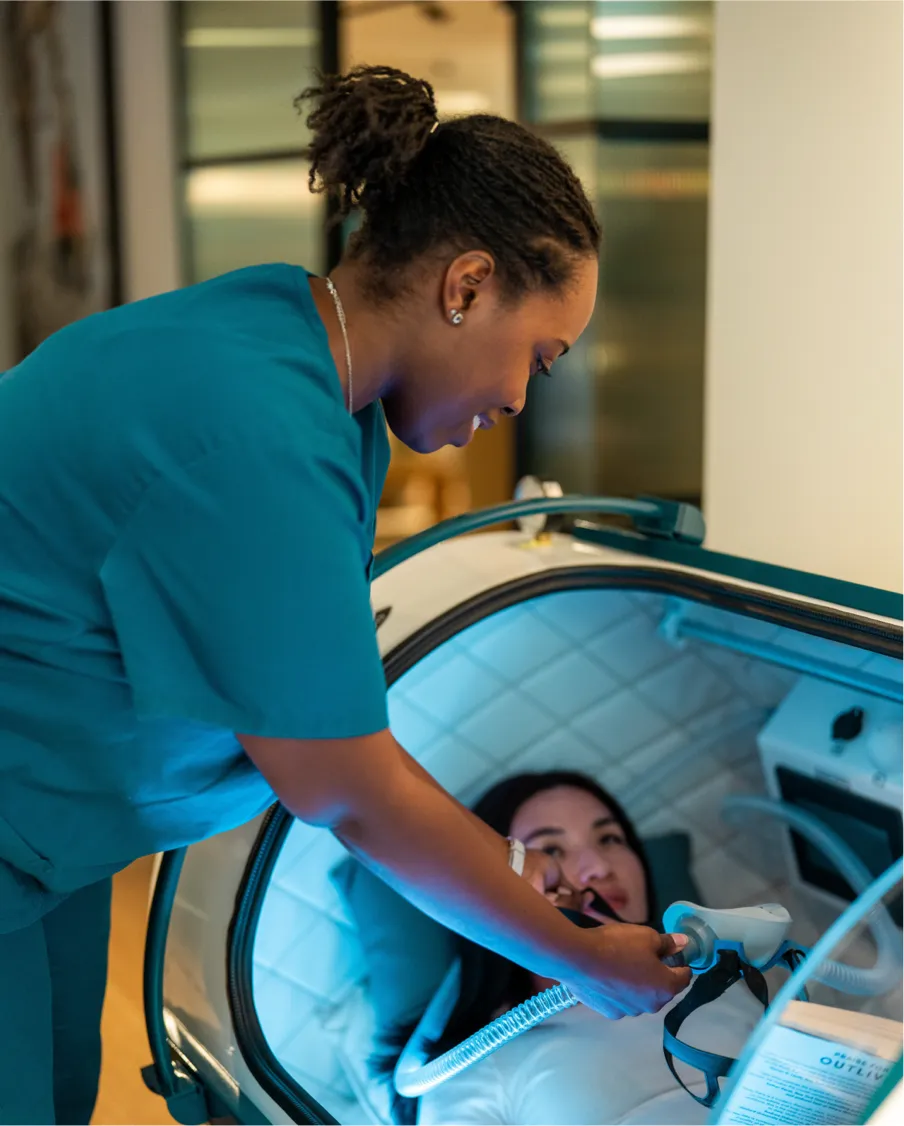
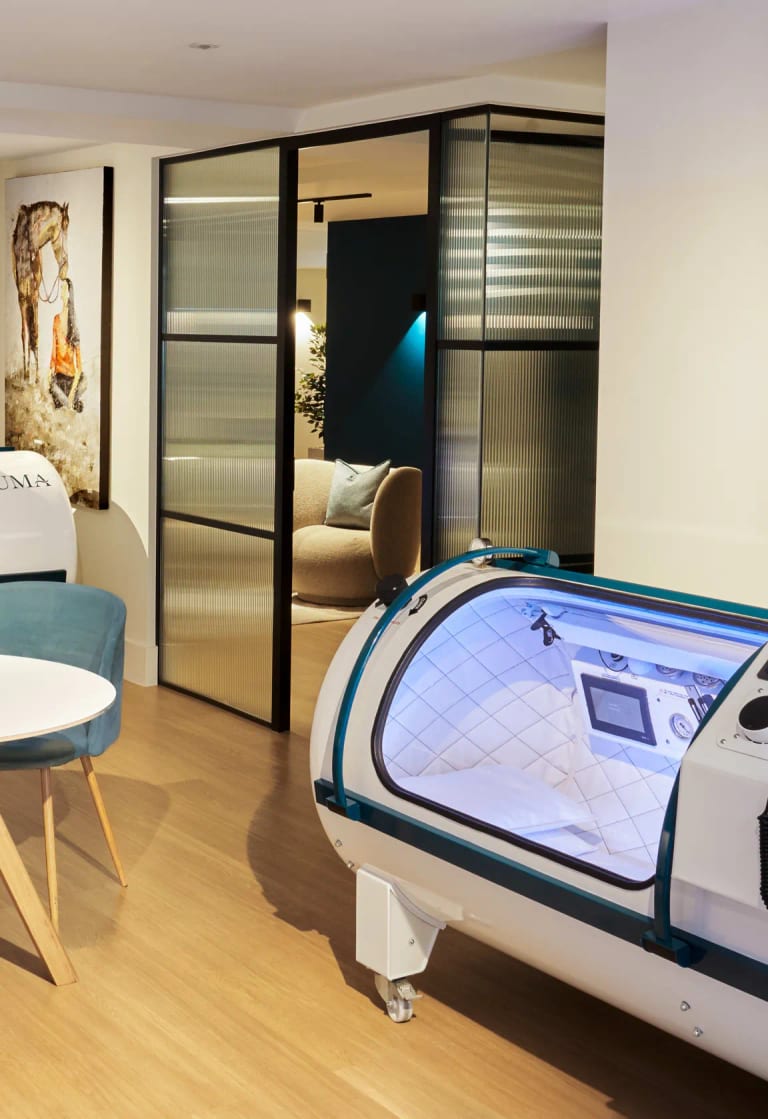
A patient undergoing a hyperbaric oxygen therapy sessionA hyperbaric oxygen therapy chamber room